Global manufacturing continues to realign as companies diversify supply chains across Southeast Asia. The Philippine Statistics Authority reported that the country’s investment commitment hit ₱1.92 trillion in 2025. This upward trend reinforces the growing relevance of economic zones in global production networks.
As multinational firms seek investment hotspots, the Philippines positions itself as a competitive manufacturing destination within the Association of Southeast Asian Nations (ASEAN). Special economic zones in the Philippines serve as a strategic manufacturing hub for US and East Asian investors. At the center of this, Science Park of the Philippines Inc. remains a pioneer in master-planned industrial estates.
About Science Park of the Philippines, Inc.
Since 1989, Science Park of the Philippines Inc. has been a forerunner of modern industrial parks in the country. Established to support export-driven industrialization, the company hosts multinational and domestic firms across different sectors.
Recognized as one of the best industrial development groups, the company is accredited under PEZA Philippines, giving investors advantages such as:
- Fiscal incentives
- Simplified customs procedures; and
- Tax advantages
Through this alignment, locators benefit from customs and legal facilitation that support export and manufacturing industries. Science Park operates as a global industrial park, particularly for electronics and high-precision manufacturing. They integrate multinational firms that attract foreign direct investments for industrial transformation.
What Makes Science Park Stand Out for International Investors
Here are the qualities that make special economic zones like the Science Park of the Philippines appealing to international investors:
Geographic and Logistical Positioning
The Philippines is a gateway to the Southeast Asian market, which is one of the reasons international companies invest in the country. Science Park is found in key growth locations such as Clark, Bataan, Batangas, Cebu, and Laguna. These places have direct access to major seaports and international airports, reducing transit time for raw materials and goods.
According to Bangko Sentral ng Pilipinas, the country’s net inflows reached $320 million in the late quarter of 2025. A significant portion of these investments was sourced from Japan, the United States, and Singapore during the first quarter of the year. This figure shows continued investor confidence in industrial parks in the Philippines for logistics and manufacturing access.
For US investors, proximity to Pacific shipping routes enhances integration with North American markets. Meanwhile, East Asian firms provide a complementary production base within ASEAN, enabling a diverse supply chain while maintaining regional proximity.
Infrastructure and Facilities
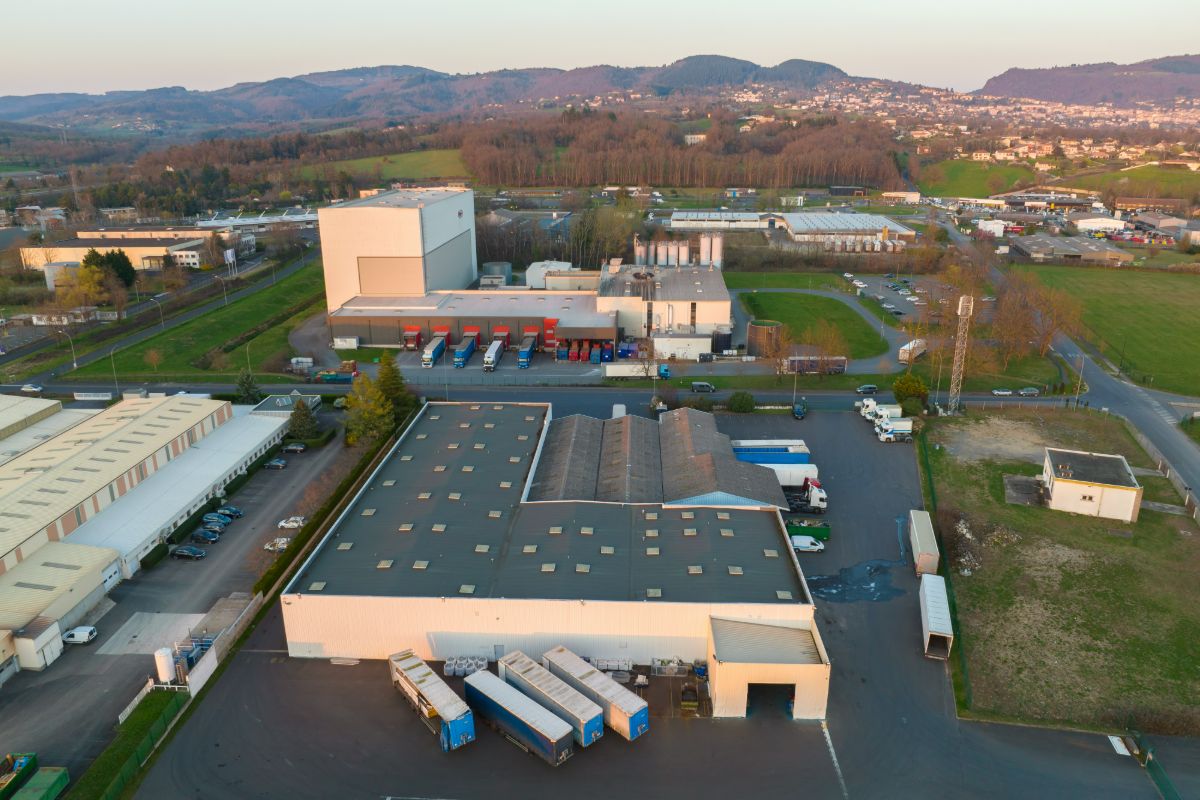
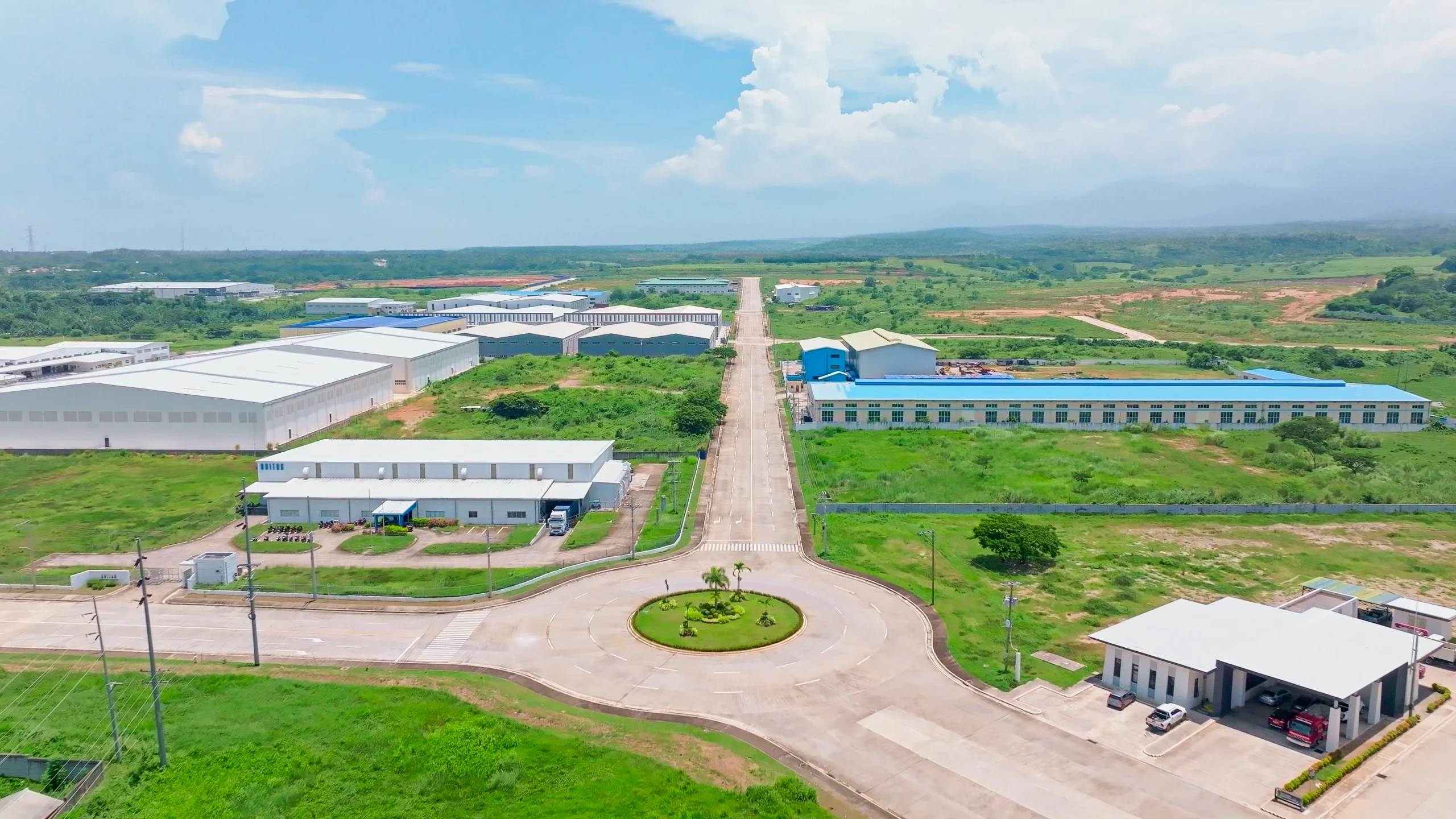
Infrastructure reliability determines the viability of any manufacturing hub. Science Park’s industrial developments feature master-planned layouts, wide road networks, centralized utilities, and stable power supply systems. Each estate integrates production facilities with administrative offices and warehousing options, including PEZA-accredited buildings.
Ready-to-build lots and standard factory buildings shorten project timelines among industries. By reducing pre-operational delays, firms optimize their time-to-market and capital deployment. Telecommunications connectivity, water systems, and waste management facilities also comply with operational standards demanded by global clients.
Special economic zones in the Philippines have attracted the attention of foreign investors. According to the Philippine Star, ecozone investments in the country achieved ₱175 billion in just 10 months. This indicates that investors prioritize structured industrial environments instead of standalone facilities.
Cost Efficiency and Operational Benefits
Cost remains a decisive factor for manufacturing relocation and expansion among American and East Asian investors. The Philippines maintains competitive wage structures relative to developed economies while offering a skilled, English-proficient workforce. Industrial parks like Science Park offer investor advantages, such as:
- Complete infrastructure
- On-the-ground park management; and
- Comprehensive customer service
Within special economic zones in the Philippines, firms gain operational advantages through fiscal incentives. These initiatives contribute to the country’s economic growth. In 2025, the Philippine Statistics Authority reported an annual GDP growth of 4.4%. The sectors that contributed to this figure are wholesale and retail trade, motor and vehicle repairs, financial services, and manufacturing.
Drive Innovation with Science Park of the Philippines, Inc.
Special economic zones in the Philippines offer tangible benefits to export-oriented manufacturers. This pertains to cost efficiency, access to a skilled workforce, and dependable infrastructure. These advantages create a stable operational environment that allows US and East Asian investors to adapt effectively to global and Southeast Asian markets.
For investors ready to optimize their manufacturing operations, Science Park of the Philippines, Inc. integrates industrial parks and regulated support. As pioneers of the industry, we take pride in our cutting-edge estate development through our Light Industry & Science Park projects. For more information, reach out to us today!
Frequently Asked Questions (FAQs)
The following are commonly asked questions about special economic zones and manufacturing hubs for international investors:
What is a special economic zone?
A special economic zone is an area that offers infrastructure support to promote export-oriented industries within an economic and legal framework.
What is the biggest manufacturing industry in the Philippines?
The largest manufacturing industry in the Philippines is the electronics and semiconductor sector. It accounts for a significant portion of exports and industrial output.
What industries commonly operate within estates developed by Science Park?
Electronics, semiconductors, automotive components, medical devices, and consumer goods manufacturers typically operate within Science Park.
Why do US and East Asian firms prioritize Philippine economic zones?
US and East Asian companies prioritize Philippine economic zones for cost efficiency, access to a skilled workforce, and regulated support. These zones provide stable environments that facilitate long-term, export-oriented operations.